
Hydrogen
Hydrogen serves as a means to store energy on a large scale and helps to replace fossil fuels in hard-to-abate sectors that cannot be directly electrified. Helen aims to deliver solutions based on hydrogen produced using renewable electricity to its customers.

The missing piece of a flexible energy system
Renewable hydrogen is produced from water through electrolysis. The production process requires a large amount of renewable electricity and generates significant amounts of oxygen and waste heat as by-products. Hydrogen essentially enables the storage of renewable wind and solar power, thus supporting a flexible energy system. Furthermore, the waste heat generated in the production process can be efficiently utilised in district heating networks with the help of heat pumps.

Do we have enough electricity for hydrogen production?
Finland has substantial wind and solar power potential, and these renewable methods of production are among the most cost-effective ways to generate electricity. Hydrogen projects primarily use newly established wind and solar power, allowing entire farms to be dedicated to hydrogen production.

New hydrogen-based products
Hydrogen can be used to produce various goods, including fuels, chemicals, and even protein. Many of these Power-to-X or P2X products use hydrogen and carbon dioxide as raw materials, enabling the replacement of fossil fuels in sectors such as maritime and aviation. Helen is interested in collaborating with partners to develop P2X products.
Get to know our renewable hydrogen projects
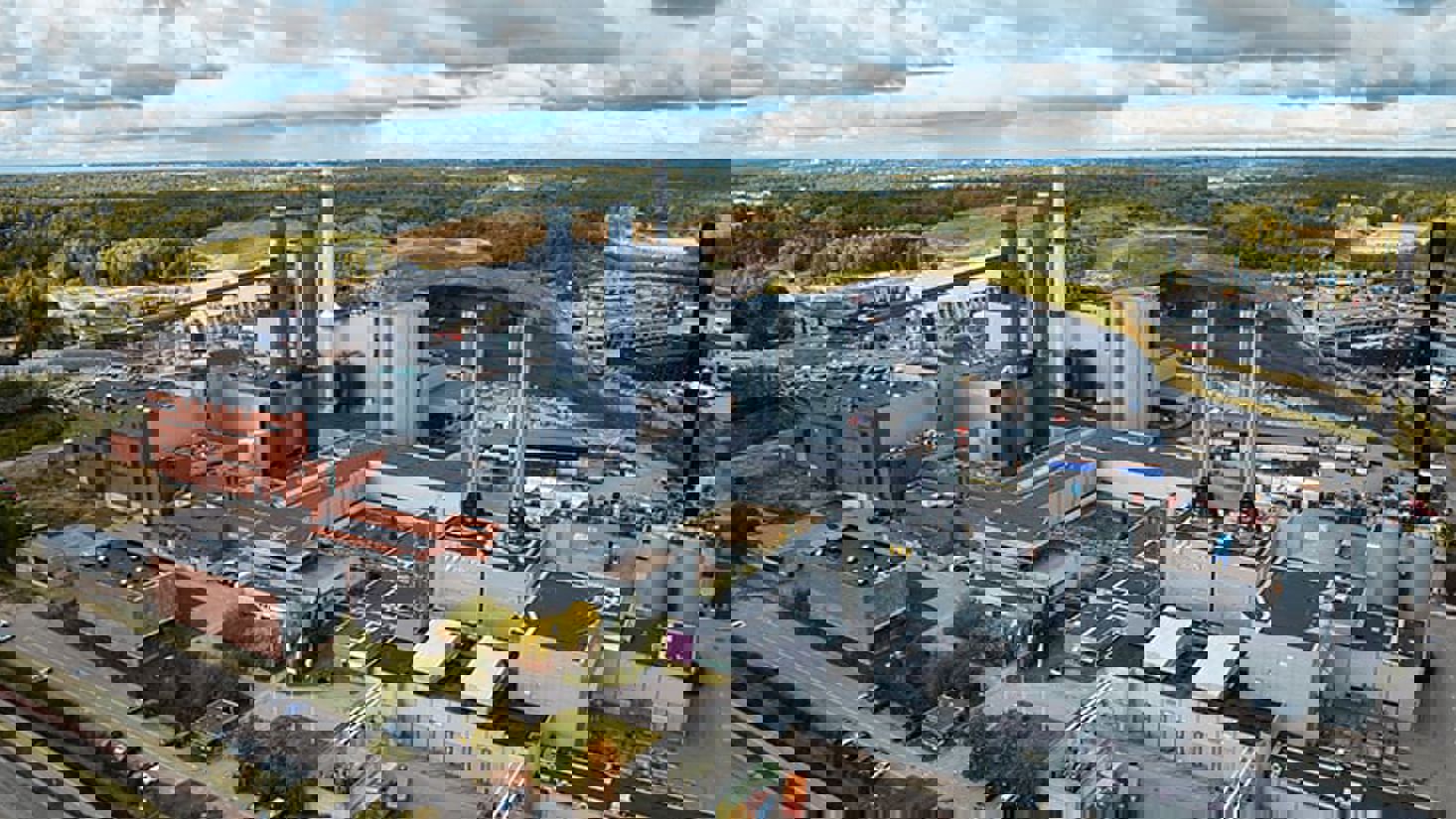
3H2 – Helsinki Hydrogen Hub
We are building a renewable hydrogen production plant in Vuosaari, Helsinki. This is Helen’s first hydrogen project with which we will increase our expertise to meet the needs of large-scale hydrogen production and enhance the flexibility to the entire energy system. This is also the first renewable hydrogen production plant to be built in Helsinki.

BalticSeaH2
We are involved in the BalticSeaH2 project that is establishing foundations for Europe’s first cross-border hydrogen valley in the Baltic Sea region. The five-year project will test the end uses of renewable hydrogen in road transport, maritime, and the chemicals industry as well as electricity and heat production.