Site alternatives and stakeholder cooperation
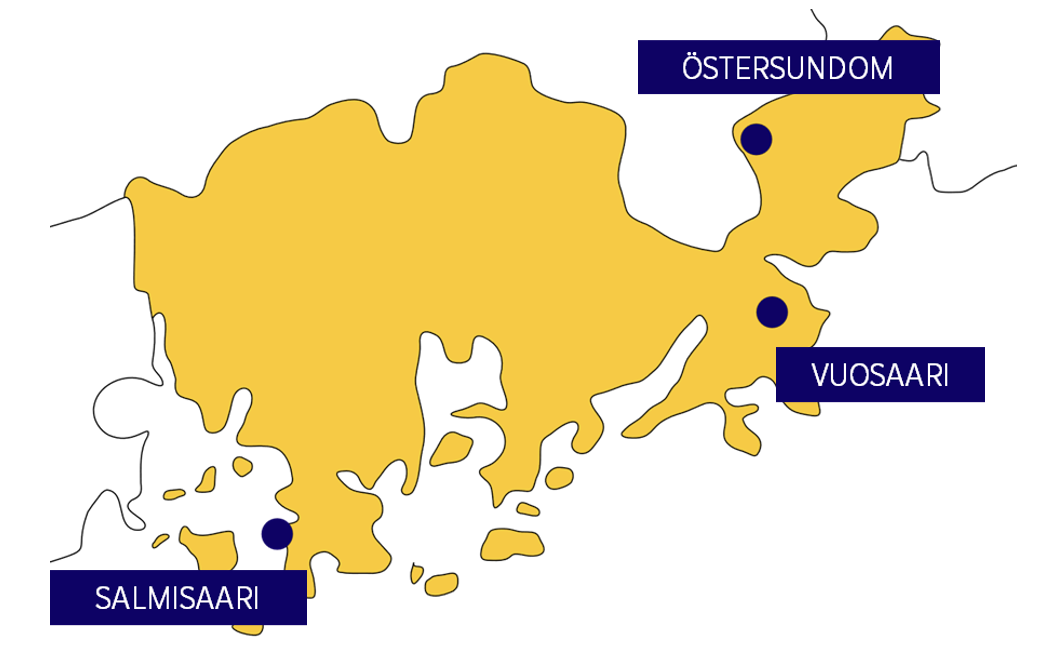
As a result of thorough preliminary studies, we have selected three potential site alternatives: the Salmisaari and Vuosaari power plant areas, as well as the Norrberget area in western Östersundom. Environmental impact assessments have been launched in each area, and we are actively engaging with all parties involved in the project by organising informal consultation events for different stakeholder groups. In addition to these, stakeholder engagement also includes formal hearings carried out as part of the EIA procedure.
Impacts on the surrounding areas
In Helen’s small nuclear power project, the impacts on both the surrounding environment and the everyday lives of local residents are carefully assessed. All planning is based on Finnish safety requirements, regulatory oversight, and environmental impact assessments.
Small modular reactors are designed to meet Finland’s strict nuclear safety standards. The operation of the plant does not cause any radiation effects outside the facility, nor does it pose a risk to people or the environment. Thanks to the clean and energy‑efficient production of nuclear power, as well as its modest land‑use needs and stable output, the project helps mitigate climate change, preserve ecosystems, and reduce spikes in energy prices.
The plant operates quietly and continuously, and normal operating conditions do not involve significant traffic or noise. The compact size of small modular reactors allows them to be located in a way that keeps impacts on the surrounding urban structure limited. The plant’s operation and environmental impacts are continuously monitored by both Helen and the authorities.
Environmental Impact Assessment (EIA) procedure and land‑use planning

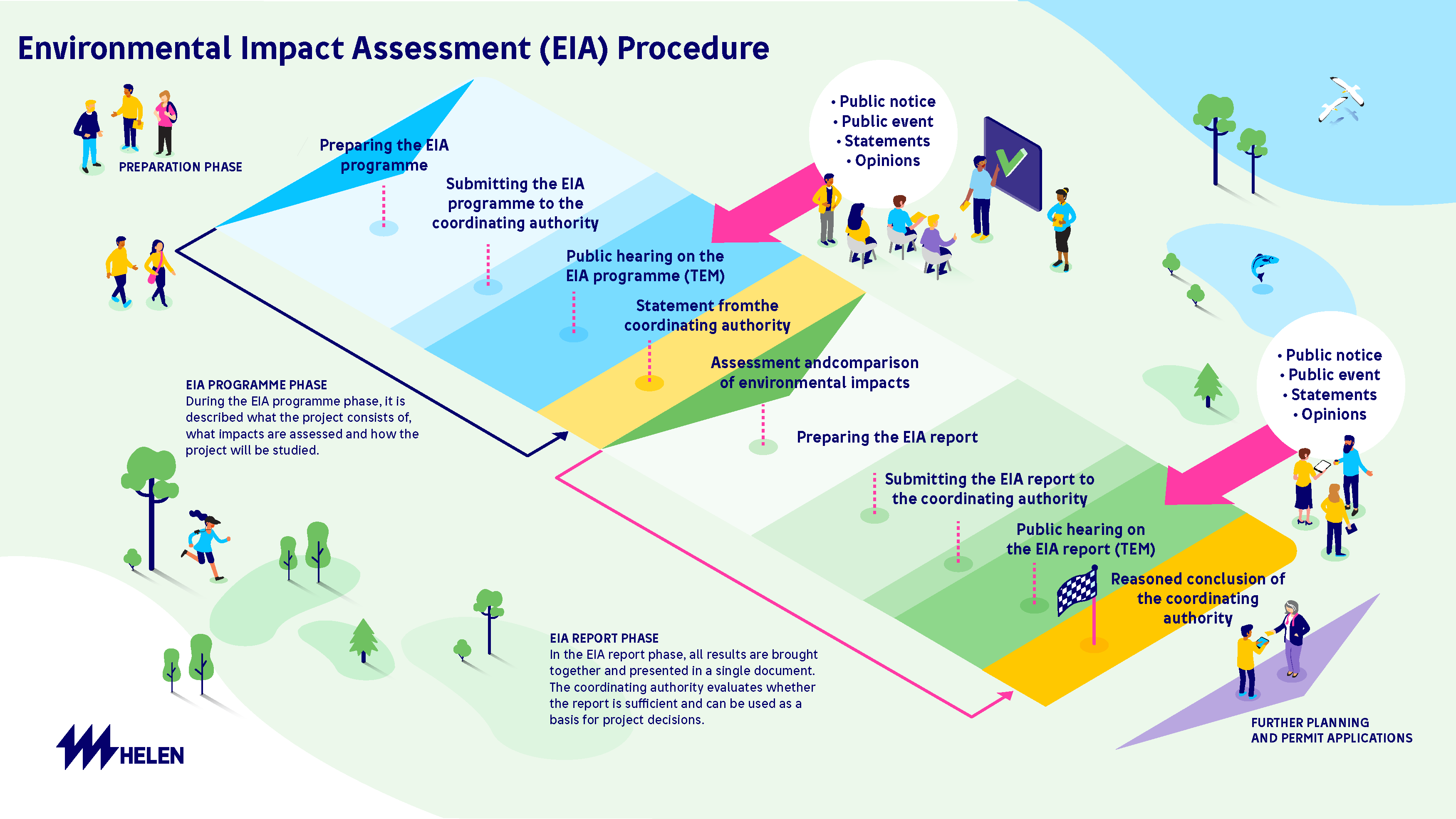
The Environmental Impact Assessment (EIA) procedure is planned to be carried out during 2026 and 2027. Its purpose is to identify and assess the project’s environmental impacts, as well as to promote dialogue between the project developer (Helen), authorities, local residents and other stakeholders. The project’s social impacts can be examined, for example, through resident surveys and workshops.

Once completed, the project’s EIA programme and EIA report will be made publicly available, and everyone will have the opportunity to submit statements or opinions on them. In this phase, the Ministry of Economic Affairs and Employment of Finland (TEM), acting as the coordinating authority, will also organise public events open to all. TEM will compile the views submitted by residents and organisations, as well as the statements provided by authorities, and will issue a statement on the EIA programme and a reasoned conclusion on the EIA report based on these and its own expertise. The information produced through the EIA procedure will be used in the project’s licensing process and to support Helen’s decision on the selected plant site.
Land‑use planning
The EIA procedure will also provide input for the project’s land‑use planning, which is planned to begin at all three potential plant sites in 2027. Through land‑use planning, the project is integrated into the area’s land‑use structure. Ultimately, the land‑use planning process will be completed for only one selected site. The City of Helsinki will lead the land‑use planning process, which includes extensive opportunities for participation and public interaction at its various stages. Detailed information on participation opportunities and public display periods will be provided as the land‑use planning process begins and progresses.